Why “High Conflict” Isn’t a Personality, It’s a Dynamic
A mediator’s perspective
In family disputes, especially divorce and coparenting conflicts, the phrase “high conflict” gets used quickly - and often carelessly. It’s usually attached to a person, not a situation. One parent becomes the problem. The other is framed as reasonable, calm, and cooperative.
From a mediator’s perspective, that framing misses what is actually happening.
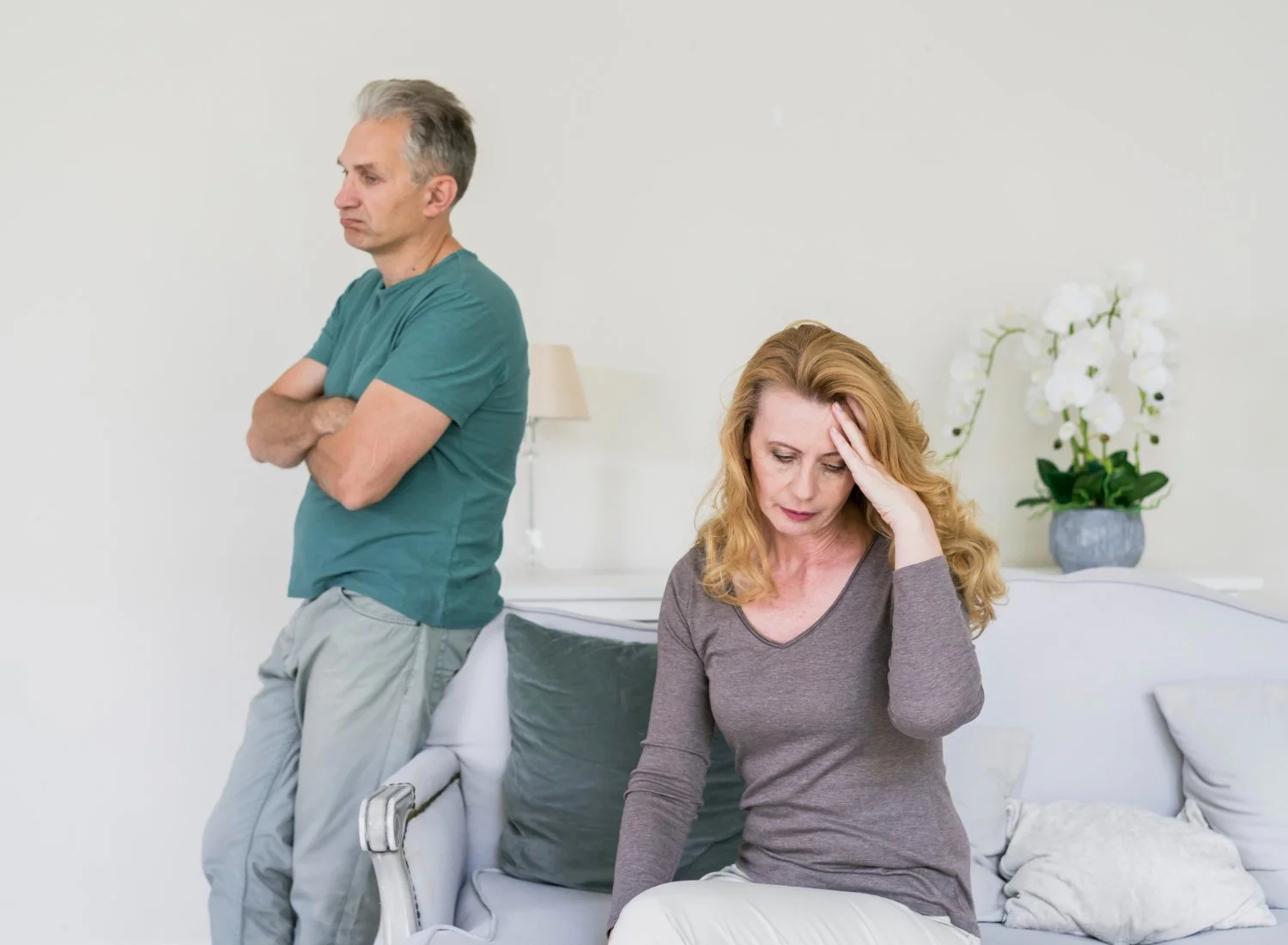
High conflict is rarely a personality trait. It’s a dynamic; something that forms between people when fear, hurt, mistrust, and unmet needs collide.
And importantly: high conflict is not a sign that mediation won’t work. In many cases, it’s exactly why mediation does.

People Don’t Enter Conflict as Blank Slates and That’s Okay
It’s true that people show up differently. Some are naturally more flexible. Some are more guarded. Some need time to trust. Others lead with emotion. None of that is inherently wrong.
What matters is not who someone is, but what happens between two people once stress enters the room.
Divorce, separation, and parenting disputes are uniquely destabilizing. They touch identity, finances, children, and the fear of losing control. Even people who are calm in every other area of life can become reactive in this context.
That doesn’t make them “high conflict people.”It means they’re human — in a high-stakes moment.

How High Conflict Dynamics Form
High conflict emerges when two people get stuck in a loop that feeds itself.
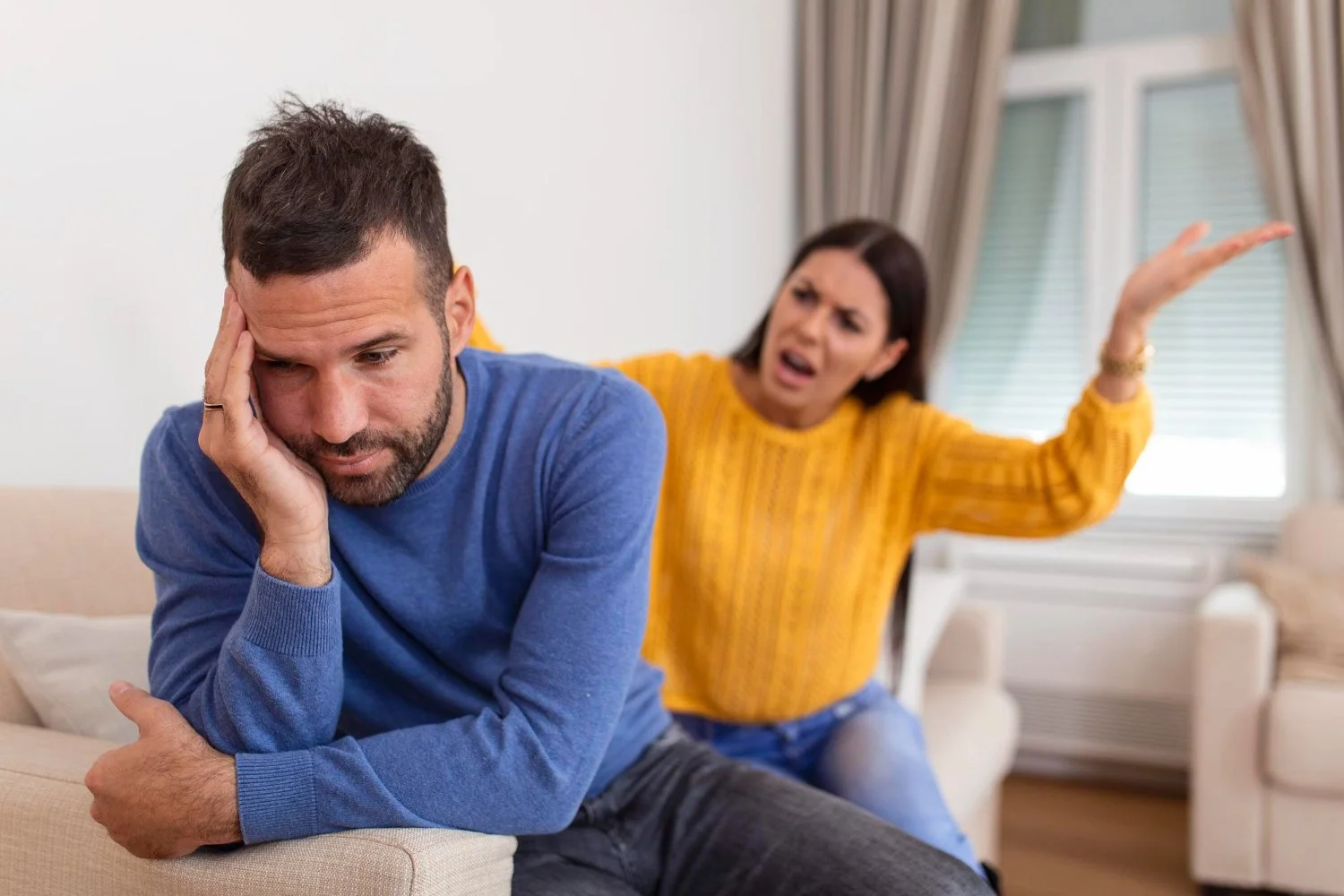
One criticizes. The other defends.
One pushes for answers. The other shuts down.
Over time, these reactions become automatic. Each person starts responding not to what’s happening now, but to what they expect will happen next.
Eventually, both feel unheard, unsafe, and misunderstood — even when they’re trying to do the “right” thing.
No one plans this outcome.But once the pattern sets in, it’s incredibly hard to stop without help.
The Problem With Labeling People
When we label someone as “high conflict,” we subtly remove responsibility from the system and place it entirely on the individual.
That label:
suggests the person is difficult everywhere
implies change is unlikely
hardens positions instead of softening them
In practice, mediators see the opposite.
Parents who are entrenched and reactive with each other often coparent peacefully with new partners. The person didn’t fundamentally change. The dynamic did.
That distinction matters because dynamics can be shifted.

Why High Conflict Often Does Better in Mediation Than Litigation
This is where mediation is frequently misunderstood.
Litigation rewards conflict. It escalates positions, amplifies fear, and encourages people to stay armored. Every move is strategic. Every concession feels dangerous.
Mediation does the opposite.
A well-structured mediation:
slows the interaction down
removes the audience
replaces “winning” with problem-solving
creates safety for nuance and vulnerability
For high-conflict parties, this can be a relief.
Mediation becomes a place where:
defensiveness isn’t necessary to be heard
intensity can be acknowledged without being punished
cooperation doesn’t feel like surrender
When people no longer have to perform or protect, they often soften — not because they’re told to, but because the environment allows it.

Conflict Isn’t the Enemy - Unchecked Cycles Are
High conflict doesn’t mean people are incapable of cooperation. It usually means they’ve never had a space where cooperation felt safe.
Mediation works because it interrupts destructive patterns:
expectations are clarified
communication is structured
reactions are slowed and reframed
The mediator isn’t there to fix personalities.They’re there to change the interaction.
And once the interaction changes, the conflict often does too.

A Different Way Forward
When conflict is understood as a dynamic rather than a flaw, something important happens: hope returns.
Change no longer requires someone to become a different person.It only requires both people to participate differently — with support.
If you’re stuck in a repeating conflict, the most powerful question isn’t “What’s wrong with them?”
It’s:
What pattern are we in?
What do I do when they react?
What happens next?
That awareness is where real resolution begins.
And it’s why mediation — especially for so-called “high conflict” situations — can be one of the most effective, human-centered paths forward.